
Root Canal Therapy in Lakewood, CO
Root canal therapy in Lakewood, Colorado, relieves pain and saves infected teeth from extraction. Dr. Dian Li uses modern techniques and careful attention to make the procedure as comfortable as possible.
Root Canal Therapy Explained
A root canal treats the soft tissue inside a tooth, called the pulp, when it becomes inflamed or infected. Common causes include deep decay, a cracked or chipped tooth, trauma, or repeated dental procedures on the same tooth. Signs you may need a root canal include lingering sensitivity to hot or cold, pain when biting, swelling, a pimple-like bump on the gums, or darkening of the tooth. An exam and dental X-rays confirm the diagnosis.
The goal of treatment is to clean and disinfect the canals inside the roots, then seal the space to prevent reinfection. This approach saves the tooth so you can chew comfortably and maintain a natural-looking smile. For many patients comparing a root canal vs. extraction, saving the tooth often supports better long-term function and jaw health.
Benefits of Root Canal Treatment
- Pain relief by removing inflamed or infected pulp tissue.
- Tooth preservation that maintains your natural bite and smile.
- Efficient care completed under local anesthesia for comfort.
- Strong long-term results with high success rates.
- Protection of adjacent teeth by maintaining proper alignment.
- Cost-conscious alternative to extraction plus replacement options.
The Root Canal Process
Consultation and Diagnosis
Your visit starts with a clinical exam, dental X-rays, and tests to pinpoint the source of pain. Our dentist reviews findings and discusses how a root canal works, expected outcomes, and restoration options after treatment.
Comfort and Anesthesia
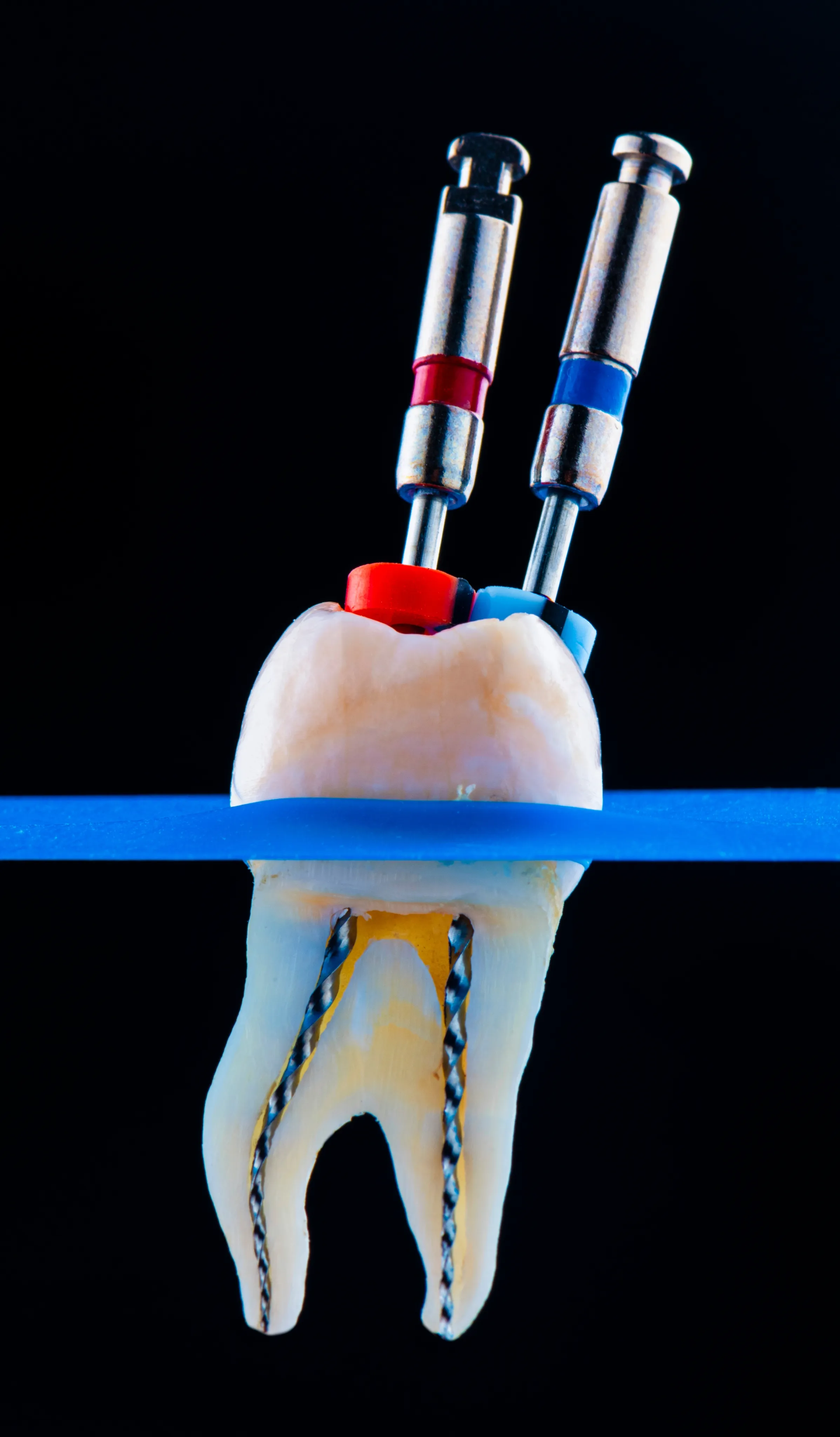
The tooth and surrounding area are numbed with local anesthetic. Most patients feel pressure, not pain, during the procedure. A small protective shield called a rubber dam keeps the tooth clean and dry.
Cleaning and Disinfection
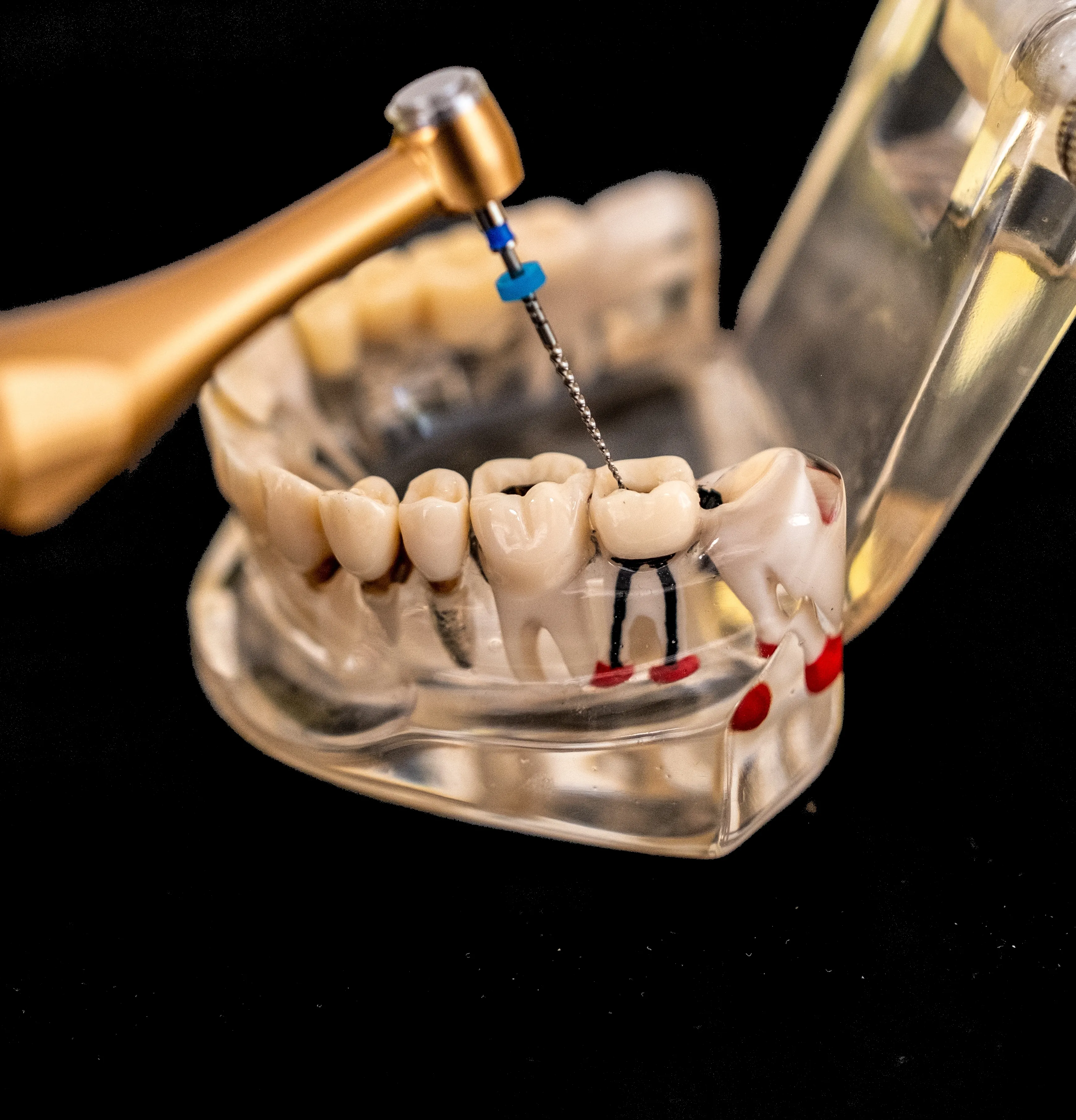
Our dentist creates a small opening in the top of the tooth to access the pulp chamber. Using precise instruments, the infected or inflamed tissue is removed, and each canal is shaped. The canals are rinsed with antimicrobial solutions to reduce bacteria.
Sealing and Restoration
Once the canals are clean and dry, they are filled with a biocompatible material and sealed. A temporary filling protects the tooth until a permanent crown is placed. The crown restores strength, shape, and appearance so the tooth can function normally.
What to Expect After Treatment
Mild soreness or sensitivity is normal for a few days and typically responds to over-the-counter pain relief. Most patients return to regular activities the same day. Avoid chewing on the treated tooth until the permanent crown is placed. With proper care, a root-canal-treated tooth can last as long as your other natural teeth.
Follow-up visits allow our dentist to confirm healing and place the final restoration. Contact our office if you experience severe pain, swelling, or a reaction to medication after treatment.
Frequently Asked Questions
Modern root canal treatment is performed under local anesthesia, so most patients feel little to no pain during the procedure. Mild soreness afterward is common and typically managed with over-the-counter pain relief.
Most root canals are completed in one to two visits, each lasting about 60 to 90 minutes. The time depends on the tooth location, number of canals, and complexity of the infection.
Without treatment, the infection can spread to surrounding bone and tissue, leading to an abscess, increased pain, and eventual tooth loss. Early treatment helps preserve the tooth and prevent complications.
In most cases, yes. A crown protects the treated tooth from fracture and restores its strength and appearance. Your dentist will recommend the best restoration based on the tooth location and condition.
With proper care, including a crown, good oral hygiene, and regular dental visits, a root-canal-treated tooth can last as long as your other natural teeth.
Saving a natural tooth is usually preferred when possible. A root canal preserves your bite, supports adjacent teeth, and avoids the cost and complexity of replacement options like implants or bridges.
Save Your Tooth — Get Relief Today
Do not let tooth pain go untreated. Contact Belmar Smiles at 303-935-3574 to schedule a root canal evaluation.